Key takeaways
- Digital onboarding must address human needs, not just processes
- Common solutions focus on speed, not long-term performance
- Effective onboarding blends tech with personal connection
- Clear milestones and feedback accelerate real productivity
- Strategic onboarding boosts retention and employer brand
Is Your Digital Onboarding Fast—Or Just Rushed?
„Welcome to the team!“—and then, a flood of logins, training videos and automated emails. Many companies believe digital onboarding ramps new hires faster than ever. But speed alone is a false friend. True onboarding is not about checking boxes—it’s about building confidence, competence and connection. If you chase speed, you risk losing all three.
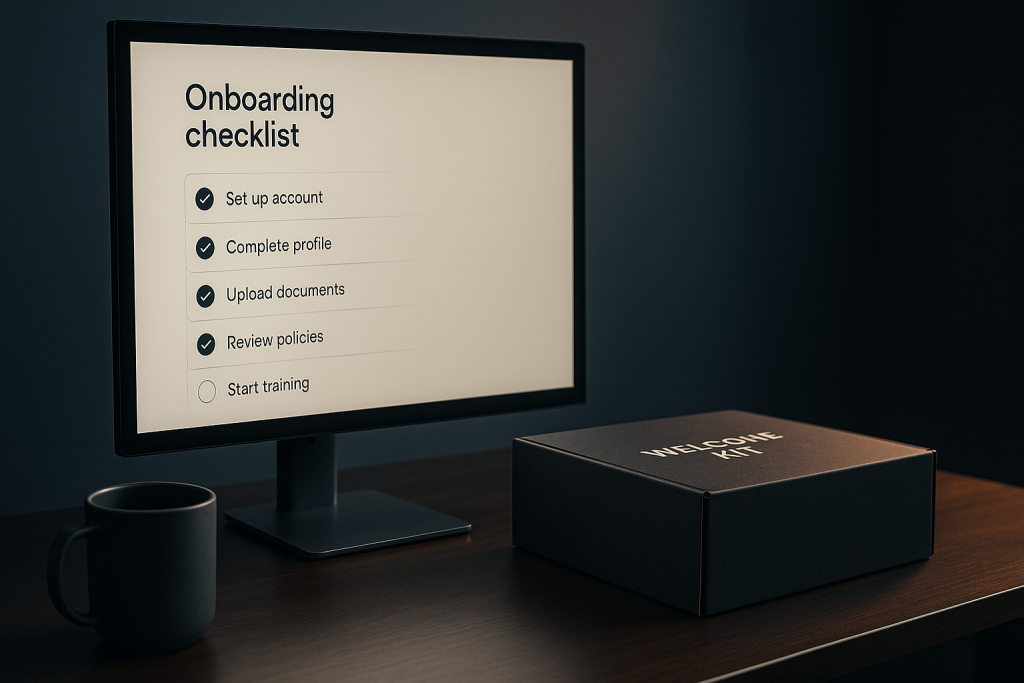
Digital onboarding is the structured use of technology to guide new hires through their first days and weeks. It promises faster learning, reduced admin and scalable processes. But effective onboarding is more than a digital checklist. It requires a blend of tech, feedback and human support to turn newcomers into performers—quickly, but not carelessly.
Das Wichtigste in Kürze
- Digital onboarding must address human needs, not just processes
- Common solutions focus on speed, not long-term performance
- Effective onboarding blends tech with personal connection
- Clear milestones and feedback accelerate real productivity
- Strategic onboarding boosts retention and employer brand
Why Do Most Digital Onboarding Programs Disappoint?
Too many digital onboarding solutions promise magic: faster ramp-up, fewer errors, instant belonging. Reality check: most platforms automate forms, provide a video library and send reminders. Useful—but not enough. New hires often feel lost, overwhelmed or disconnected. Automated checklists can’t answer the question every newcomer has: „Am I doing this right?“
Consider a new sales associate who completes all digital tasks in record time. He can recite compliance rules, but still feels unsure in his first client call. Why? Because onboarding that ignores context and culture leaves employees unprepared for real work. Digital alone can’t replace human feedback or the feeling of belonging.
What Happens When Onboarding Fails to Deliver?
When onboarding falls short, the damage is real. New hires take longer to reach productivity. Mistakes multiply—sometimes quietly, sometimes painfully visible. Some employees never fully integrate and start job-hunting before their security badge arrives. Turnover rises. Teams waste time answering the same basic questions over and over.
I’ve seen this firsthand: a project team loses two junior members within months. Both cited confusion and lack of support during onboarding. The cost? Lost time, re-hiring, and a reputation hit. Worse, experienced staff become frustrated by constant interruptions from underprepared colleagues.
Why Do Quick-Fix Solutions Fail?
The market is full of onboarding platforms that promise plug-and-play miracles. Most focus on compliance, document management and scheduling. These are necessary, but not sufficient. Rushing new hires through a digital maze often creates the illusion of progress. But what looks fast on paper can be painfully slow in practice.
Typical mistake: assuming that knowledge transfer equals competence. Watching five training videos does not make someone effective on day one. Nor does a welcome email create genuine engagement. Quick fixes ignore the emotional side of onboarding—confidence, trust and team connection. That’s why so many programs feel lifeless and transactional.
What Does Effective Digital Onboarding Look Like?
Real digital onboarding is not about speed, but about acceleration with direction. The best programs combine clear goals with smart use of technology and real human touchpoints. For example, a smart onboarding journey might break the first month into weekly milestones: technology setup, role-based training, shadowing a buddy, real feedback sessions.
A new hire in IT, for instance, gets a digital checklist for hardware and software, plus a short intro call with the helpdesk—no waiting for tickets. She’s guided through company values via interactive modules, then joins a team lunch (virtual or on-site) to build relationships. Every step is tracked, but also supported by a real person.
How Does Strategic Onboarding Drive Retention and Performance?
Well-designed onboarding pays off—just not in the way most people expect. The goal isn’t just speed, but sustainable productivity. When new hires see clear progress, get timely feedback and feel welcome, they ramp up faster—and stay longer. They make fewer mistakes, ask better questions and become ambassadors for your culture.
A finance manager once told me: „The first 30 days set the tone for years.“ He’s right. Early wins build confidence. Early confusion breeds doubt. Strategic onboarding is your chance to prove you care—not just about rules, but about people. This reputation spreads, making it easier to attract and retain top talent.
What Are the Next Steps for Your Digital Onboarding?
Audit your current process: does it really help new hires, or just check legal boxes? Map the first 30 days from the employee’s perspective. Where do people get stuck or lost? Introduce structured feedback after week one and week four—ask, listen, improve. Blend digital modules with real conversations. Assign a buddy or mentor. Make progress visible and celebrate early achievements.
Don’t fall for tech hype. Instead, invest in tools that make it easy to connect, not just to comply. The right digital onboarding turns new hires into contributors—fast, but never hurried. If you want results, focus on people, not just processes.
Conclusion: Time to Rethink Your Digital Onboarding
Digital onboarding can do much more than speed up paperwork. Done right, it drives engagement, learning and retention. But only if you look beyond checklists and embrace the human side. Audit your process, blend technology with empathy, and set your new hires up for real success—not just a quick start.
FAQ
What is digital onboarding?
Digital onboarding uses technology to guide new hires through orientation, training and integration. It automates tasks but should also enable real learning and connection.
How long should digital onboarding take?
There is no magic number. Effective onboarding is phased, with milestones in the first days, weeks and months—always tailored to the role and company culture.
What are common mistakes in digital onboarding?
Over-reliance on automation, neglecting feedback, and ignoring human connection are typical pitfalls. Many programs rush the process, missing real integration.
How can I measure onboarding success?
Track time to productivity, retention rates and feedback from new hires. Qualitative feedback is as important as quantitative metrics. Look for signs of real engagement and confidence.